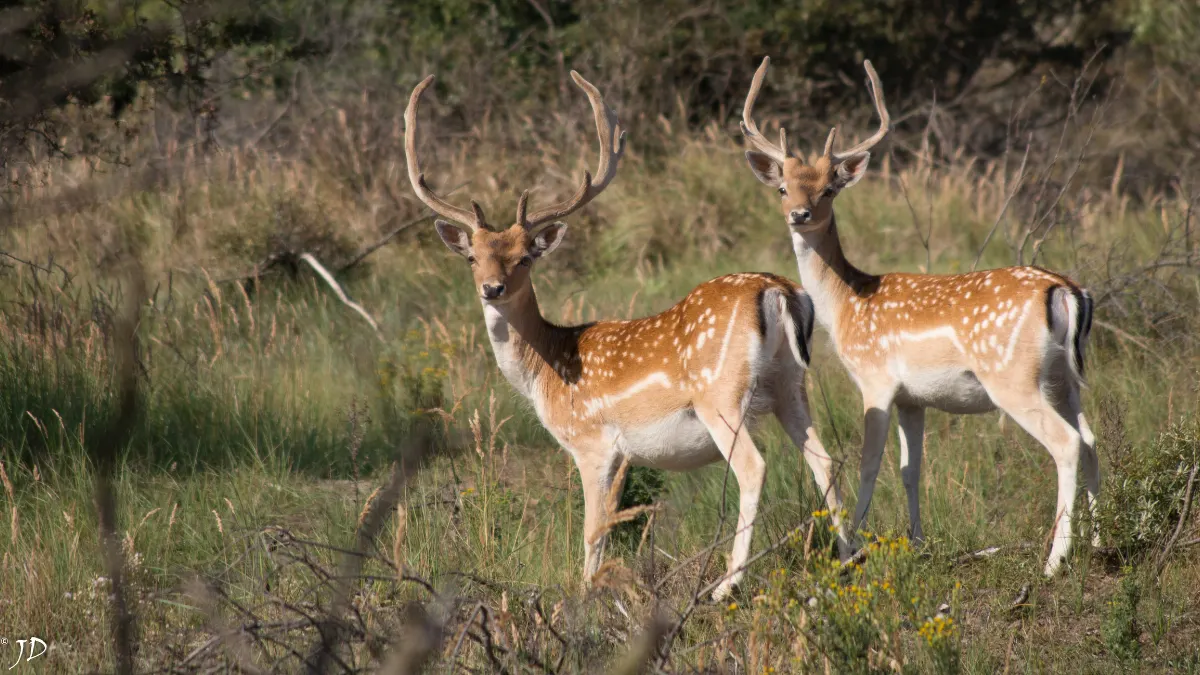
 Rodos-Rhodes Admin
 Welcome to Rhodes — the island where history doesn’t merely whisper through its knightly walls, but walks freely through its forests and proudly adorns its harbor. Every place has a guardian spirit. For Rhodes, that spirit takes the shape of a deer — the Dama dama, known locally as the Platóni.
A Living Symbol at the Heart of the Island
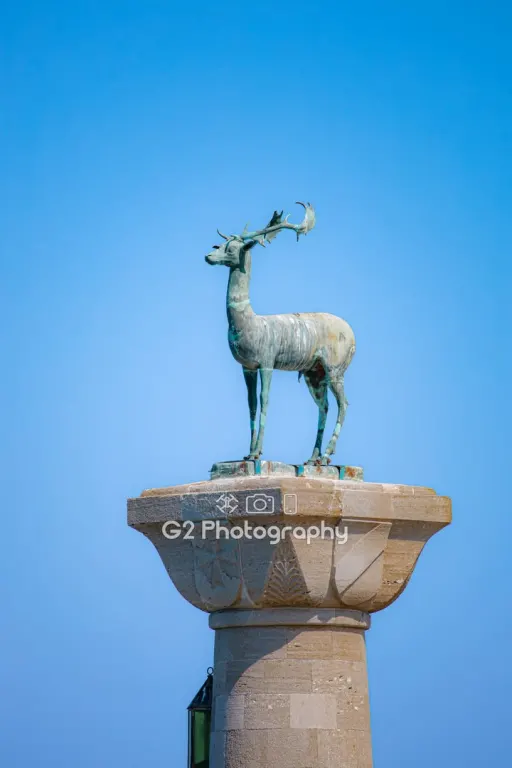
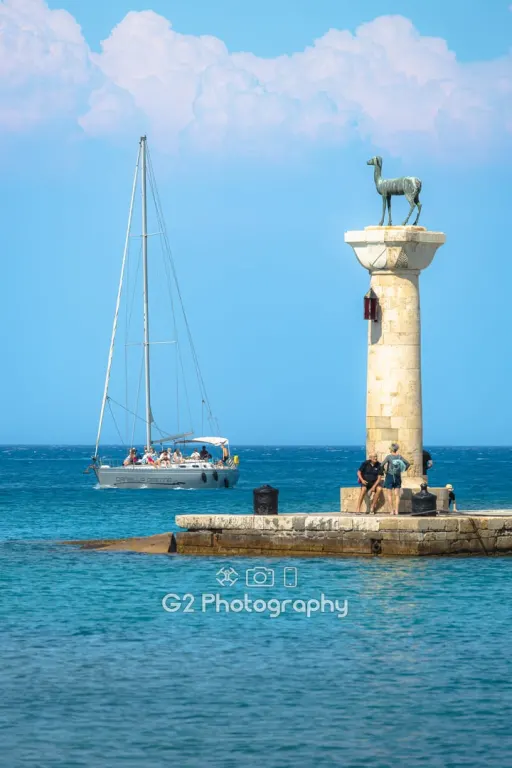
Walk along the Mandraki Harbor, and the first thing you’ll see isn’t a statue of an ancient god, but two bronze deer — the “Elafos” and the “Elafina.” They stand proudly upon columns marking the spot where the Colossus of Rhodes is said to have once stood. The Dama dama is more than an animal; it is the island’s emblem, a living link to its past and a cherished part of its identity.
A Story Wrapped in Mystery and Legend
The deer’s presence on Rhodes stretches back thousands of years, and the theories surrounding its origin are as captivating as the creature itself.
The Theory of the Crusaders and Byzantines
One popular legend claims that the deer were brought to the island by the Knights of St. John during the Middle Ages. Their mission was to protect their camps from snakes — not by eating them, but by scaring them away. Locals believed the pounding hooves of the deer kept serpents at bay, giving rise to the legend of the island’s “snake-fighting deer.”
The Scientific Reality
Science paints an even older picture. Archaeological and genetic studies show that the Dama dama has inhabited Rhodes since the Neolithic era. It was most likely brought by the island’s first settlers, revered as a sacred animal or kept as a valuable food source — making it one of the oldest residents of the Aegean region.
Distinctive Features of the Rhodian Deer
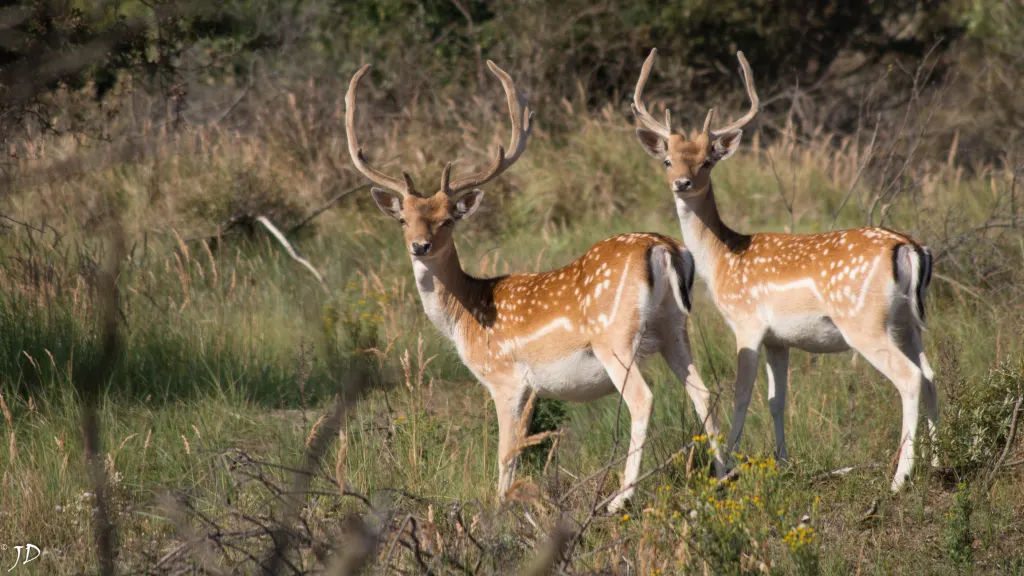
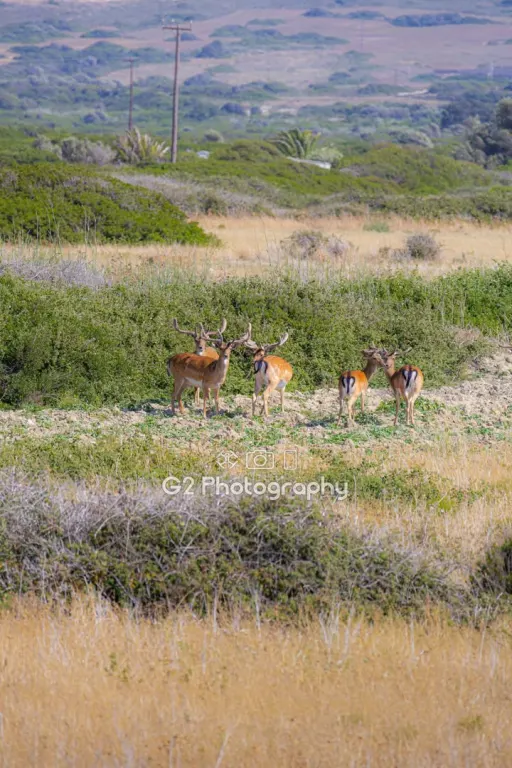
The Rhodian deer differs from its European relatives in remarkable ways. It is one of the few species that retains its white-spotted coat even into adulthood, providing perfect camouflage under the dappled sunlight of the island’s pine forests.
- Antlers: Males bear broad, palm-shaped antlers — hence the name “Platóni,” derived from the Greek word for “broad.” These antlers fall off every May and regrow even stronger.
- Color: During summer, their fur turns reddish-brown; in winter, it darkens to absorb warmth and blend with the shaded forest floor.
Where to See the Platóni Today
For modern visitors, there are three wonderful ways to encounter the island’s living emblem:
1. At Mandraki Harbor
The twin bronze deer statues are among the most photographed landmarks in Rhodes — timeless guardians watching over the sea.
2. In the Wild
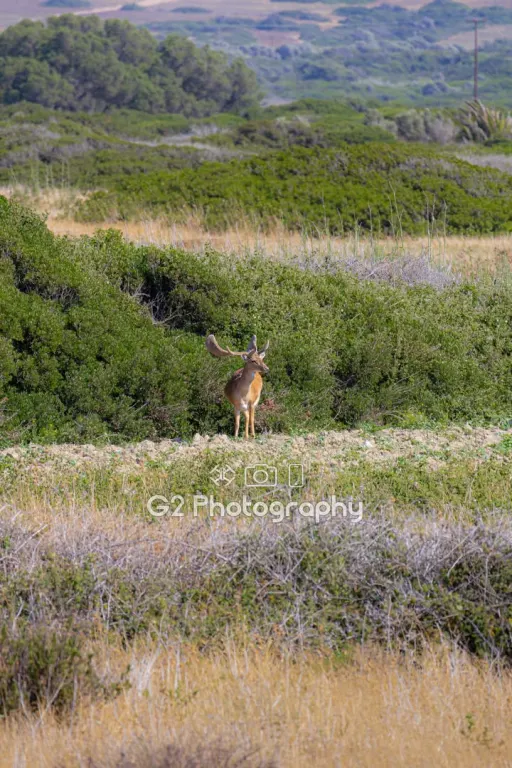
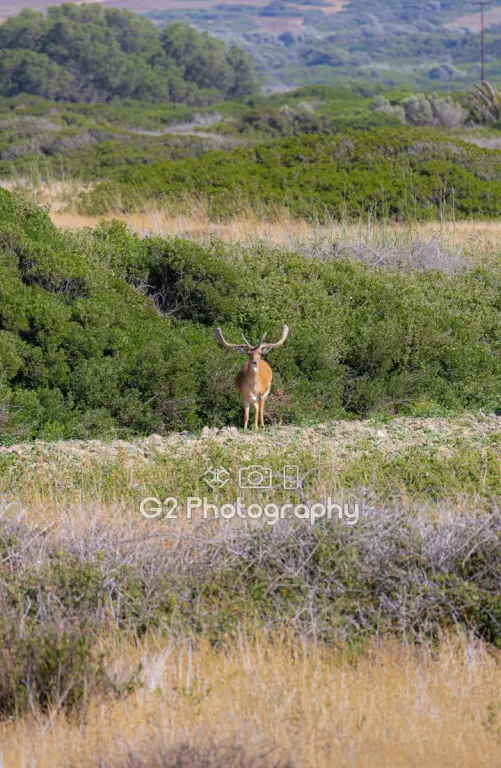
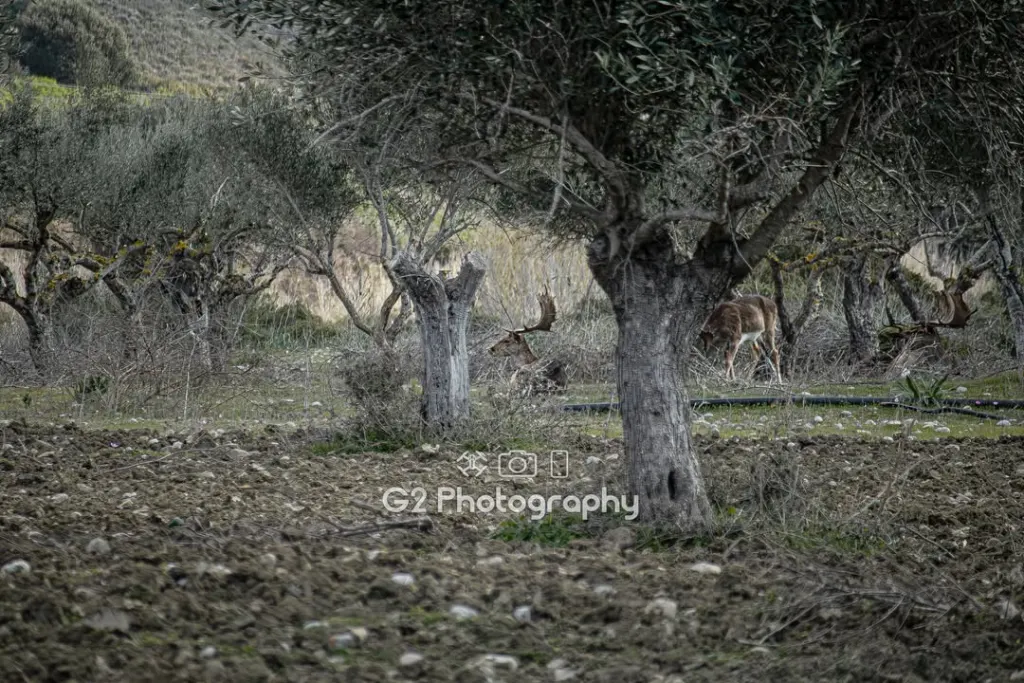
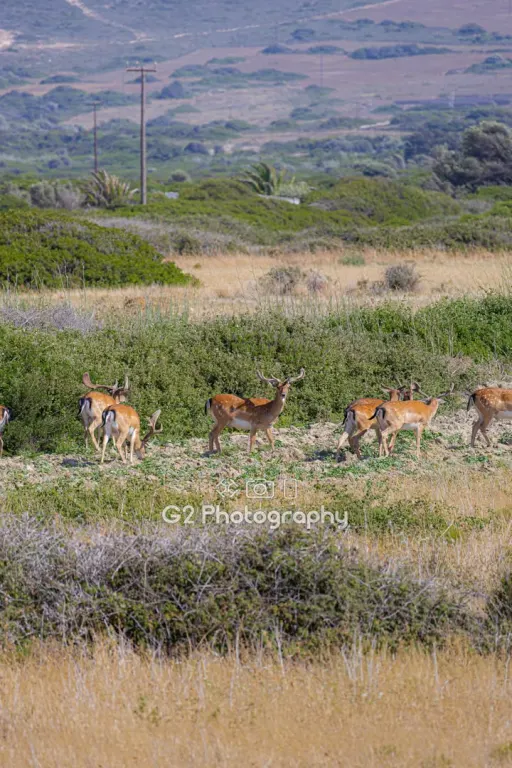
If you enjoy hiking, the forests of Southern Rhodes and the areas around Mount Prophet Elias are their natural home. These shy creatures require patience and quiet to observe — a truly rewarding experience for nature lovers.
Frequently Asked Questions (FAQ)
Is the Dama dama protected?
Yes. The Rhodian deer is strictly protected under both Greek and EU law. It’s recognized as a symbol of the island, and preserving its population is a top priority.
Are there really wild deer on Rhodes?
Absolutely! Hundreds of deer roam freely across the island’s forests. Drivers are advised to be cautious, especially at night, as deer often cross the roads unexpectedly.
Why was Rhodes once called “Elafousa”?
In ancient times, Rhodes was known as Elafousa — “the island of deer” — due to its abundant deer population, a name that still echoes in local tradition.
Can visitors feed the deer?
At the Municipal Deer Park, there are specific feeding guidelines. In the wild, however, it’s best to observe from a distance and avoid feeding them to help maintain their natural instincts.
What’s the best time to see the deer?
Early morning or late afternoon are the best times to spot them, especially around forest clearings or near water sources.
Travel Tip from the Author
For a magical experience, visit Mandraki Harbor at sunset. The golden light reflecting off the bronze deer with the Aegean Sea in the background captures the very essence of Rhodian beauty.
Final Thoughts
The Dama dama of Rhodes is not just a symbol — it’s a story that connects the island’s ancient heritage with its living nature. Whether you meet it in legend, sculpture, or the whispering forests, it stands as a reminder that the spirit of Rhodes runs wild, free, and eternal.